Paediatrics · By Dawn MacArthur Turner · 6 min read · May 2026
Understanding Plagiocephaly: When to Consider a Helmet
Plagiocephaly — often called flat-head syndrome — is one of the most common concerns we see in infants. The good news is that it is usually preventable and, when needed, very treatable.
What is plagiocephaly?
Plagiocephaly refers to a flattening of one part of an infant’s head. It often develops from consistent pressure on the same spot — for example, from a baby’s preferred sleeping position — during the period when the skull is soft and growing quickly.
Because a baby’s skull is highly mouldable in the first year of life, early monitoring makes a real difference. Many mild cases resolve with simple changes at home.
When is a helmet recommended?
For mild cases, repositioning and increased tummy time are often enough. A cranial remolding helmet is considered when:
“The best results come from early intervention — typically between 4 and 12 months of age, while the skull is still highly responsive to gentle guidance.”
What to expect from helmet therapy
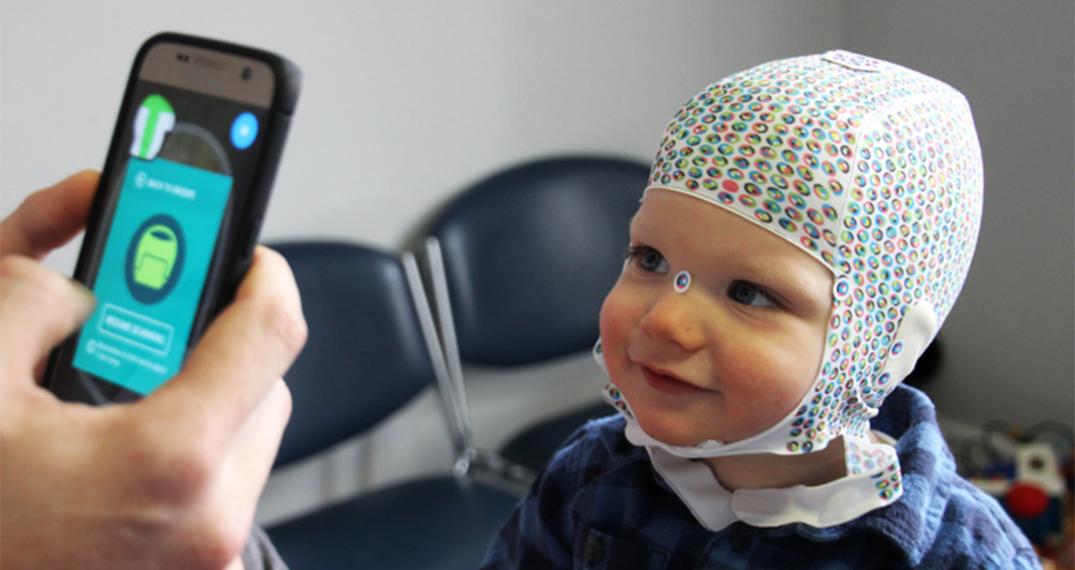
A cranial remolding helmet is custom-fabricated from a precise scan of your child’s head. It applies light, consistent contact over prominent areas while leaving room for growth in the flattened areas. Most infants adjust within a few days, and we fine-tune the fit at regular follow-up visits.
M.Sc. CO · Certified Orthotist